 ×
×

Bagasse:A premium choice for eco-friendly packaging
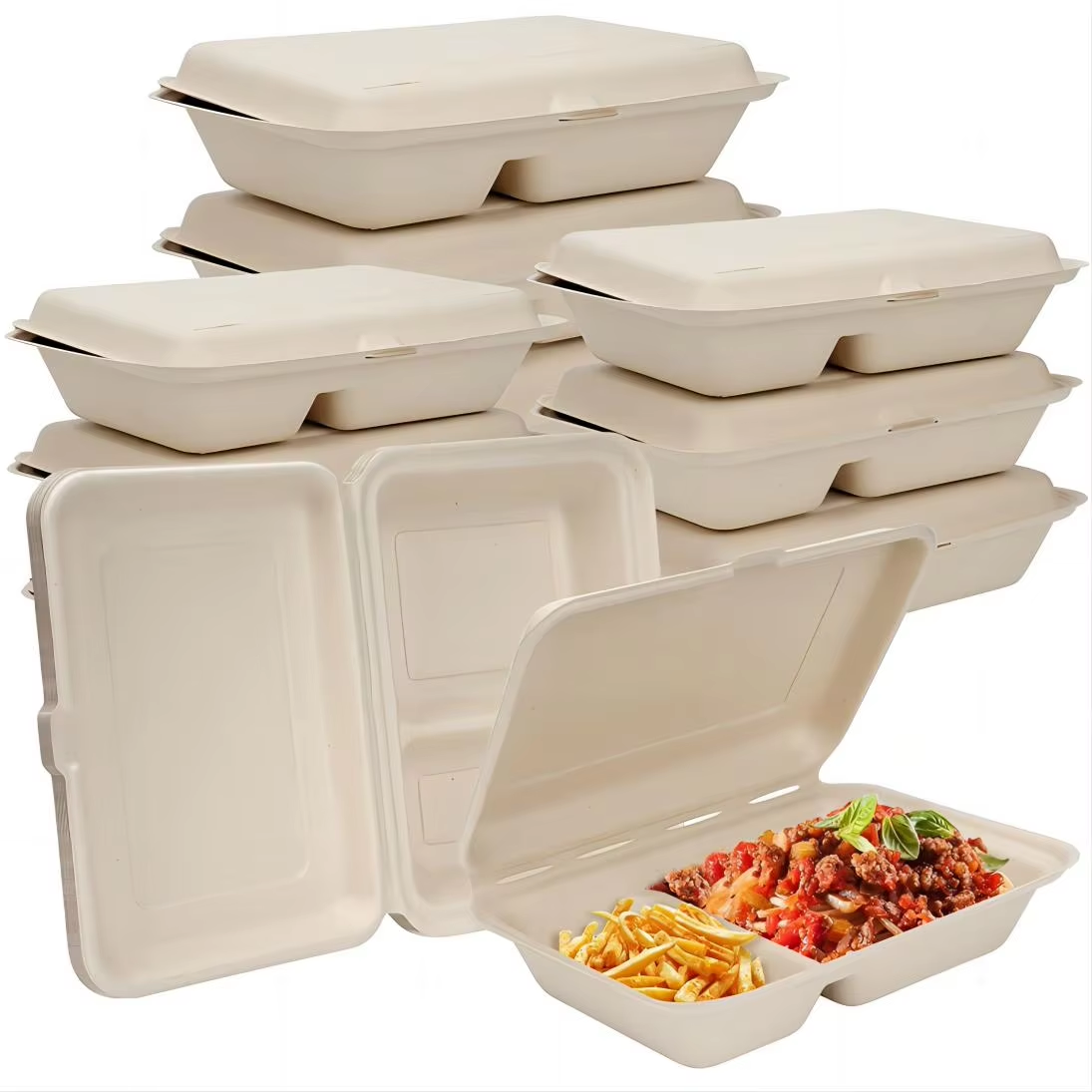
In the era of growing environmental awareness, finding sustainable packaging solutions has become a priority for businesses across industries. Bagasse, a by-product of sugarcane processing, has emerged as a standout material in the world of eco-friendly packaging. As a leading provider of packaging solutions, we are proud to offer a comprehensive range of Bagasse products that combine functionality, sustainability, and cost-effectiveness. Our Bagasse packaging is designed to meet the diverse needs of food service, retail, and hospitality industries, providing a viable alternative to traditional plastic and foam packaging.
Key Advantages of Bagasse
Exceptional Environmental Sustainability
Bagasse is celebrated for its outstanding environmental credentials, making it a top choice for businesses committed to reducing their ecological footprint. As a by-product of sugarcane, Bagasse utilizes a material that would otherwise be discarded or burned, minimizing waste and maximizing resource efficiency. Unlike plastic packaging, which is derived from non-renewable fossil fuels and can take centuries to decompose, Bagasse is 100% biodegradable and compostable. When disposed of in industrial composting facilities, it breaks down completely within a few months, leaving behind nutrient-rich soil. Even in home composting conditions, Bagasse decomposes relatively quickly, ensuring that it does not contribute to landfill waste or ocean pollution. By choosing Bagasse packaging, businesses can align with consumer demands for sustainable practices, reduce their carbon footprint, and demonstrate a genuine commitment to environmental stewardship.
Excellent Heat and Moisture Resistance
Contrary to the perception that eco-friendly materials lack durability, Bagasse boasts impressive heat and moisture resistance, making it suitable for a wide range of applications. Bagasse packaging can withstand temperatures up to 200°F (93°C), making it ideal for holding hot foods such as soups, stews, and freshly cooked meals. It does not warp, melt, or leach harmful chemicals when in contact with hot food, ensuring both safety and functionality. Additionally, Bagasse has natural moisture-resistant properties that prevent it from becoming soggy when holding wet or oily foods like salads, sauces, or fried items. This makes Bagasse an excellent choice for takeout and delivery services, where packaging must maintain its integrity despite varying food temperatures and consistencies. Whether used for hot or cold foods, Bagasse packaging provides reliable performance that meets the demands of modern food service operations.
Sturdy and Durable Construction
Bagasse packaging is surprisingly sturdy and durable, offering sufficient strength to hold a variety of food items without tearing or collapsing. The fibrous structure of Bagasse, derived from sugarcane stalks, gives it inherent strength and rigidity. This allows for the production of a range of packaging products, from plates and bowls to clamshell containers and takeout boxes, all capable of supporting the weight of food without deformation. The durability of Bagasse also makes it suitable for stacking, which is essential for efficient storage and transportation in busy restaurants, cafes, and catering businesses. Unlike flimsy paper packaging that may fold or break under pressure, Bagasse maintains its shape and structural integrity, ensuring that food remains secure and presentable from preparation to consumption.
Natural Aesthetic Appeal
Bagasse packaging features a natural, earthy appearance that adds a unique aesthetic appeal to food presentation. Its warm, beige color and subtle texture give it a rustic, artisanal look that resonates with consumers seeking authentic and natural products. This natural aesthetic makes Bagasse packaging an excellent choice for businesses aiming to convey a farm-to-table, organic, or eco-friendly brand image. Whether used in a high-end restaurant or a casual café, Bagasse packaging enhances the visual appeal of food, making it more enticing to customers. Additionally, the natural look of Bagasse eliminates the need for excessive printing or decoration, reducing the use of inks and further enhancing its environmental credentials. This combination of functionality and aesthetics makes Bagasse a versatile packaging option that elevates the overall dining experience.
Cost-Effective and Economical
Despite its many advantages, Bagasse packaging remains a cost-effective option for businesses, offering excellent value for money. As a by-product, Bagasse is an abundant and relatively inexpensive raw material, which helps keep production costs low. While the initial cost of Bagasse packaging may be slightly higher than traditional plastic in some cases, the long-term benefits—such as reduced environmental impact, improved brand reputation, and compliance with emerging plastic bans—far outweigh the difference. Additionally, the durability and reusability of some Bagasse products (such as plates and bowls) can further enhance their cost-effectiveness, as they can be used multiple times before composting. For businesses looking to balance sustainability with budget considerations, Bagasse packaging provides an economical solution that does not compromise on quality or performance.
Advanced Manufacturing Processes for Bagasse
Raw Material Collection and Preparation
The production of Bagasse packaging begins with the careful collection and preparation of raw Bagasse. After sugarcane is harvested and crushed to extract its juice, the remaining fibrous material (Bagasse) is collected from sugar mills. This Bagasse is then cleaned to remove any remaining sugar residues, dirt, or impurities, ensuring that it is suitable for further processing. The cleaned Bagasse is then shredded into small fibers, which are mixed with water to create a pulp. This pulp is refined to improve its consistency and fiber bonding, ensuring that the final packaging products have the necessary strength and durability. By utilizing a waste by-product, our manufacturing process contributes to a circular economy, reducing waste and maximizing resource utilization.
Molding and Shaping Techniques
To transform Bagasse pulp into functional packaging products, we employ advanced molding and shaping techniques. The pulp is poured into custom-designed molds that correspond to the desired shape of the final product—whether it’s a plate, bowl, clamshell container, or takeout box. The molds are then subjected to heat and pressure in a process known as thermoforming, which removes moisture from the pulp and bonds the fibers together, creating a rigid, solid structure. This thermoforming process ensures that the Bagasse packaging has a smooth surface, precise dimensions, and consistent thickness. The use of custom molds allows us to produce a wide range of Bagasse products in various sizes and shapes, catering to the specific needs of different businesses. Whether a customer requires small sauce cups or large catering trays, our molding techniques ensure that each Bagasse product meets exact specifications.
Drying and Finishing
After molding, the Bagasse products undergo a thorough drying process to remove any remaining moisture. This is typically done in large ovens or drying chambers, where the products are exposed to controlled heat to ensure uniform drying. Proper drying is crucial, as it prevents the growth of mold and bacteria and ensures that the packaging maintains its strength and shape. Once dried, the Bagasse products may undergo additional finishing steps, such as trimming to remove any excess material or adding a thin, food-safe coating to enhance moisture resistance. These finishing touches ensure that the final Bagasse packaging is smooth, functional, and ready for use. Our commitment to precision in drying and finishing guarantees that each Bagasse product meets the highest standards of quality and performance.
Quality Control and Testing
Quality control is an integral part of our Bagasse manufacturing process, with rigorous testing conducted at every stage to ensure product excellence. Raw Bagasse is tested for purity and fiber quality to ensure it meets our standards. During the molding and drying stages, samples are inspected for structural integrity, thickness, and dimensional accuracy. Finished Bagasse products are subjected to a series of tests, including heat resistance testing (to ensure they can withstand hot foods), moisture resistance testing (to check for sogginess), and strength testing (to verify their ability to hold food without breaking). Additionally, all Bagasse products are tested for food safety, ensuring that they are free from harmful chemicals and contaminants. Only products that pass these stringent tests are approved for shipment, ensuring that our customers receive high-quality, reliable Bagasse packaging that meets their expectations.
In conclusion, Bagasse is a versatile, sustainable, and high-performance material that offers numerous advantages for businesses seeking eco-friendly packaging solutions. With its exceptional environmental credentials, excellent heat and moisture resistance, sturdy construction, natural aesthetic appeal, and cost-effectiveness, Bagasse packaging is the ideal choice for modern businesses. Backed by advanced manufacturing processes and rigorous quality control, our Bagasse products provide a reliable and sustainable alternative to traditional packaging materials. Contact us today to explore our range of Bagasse packaging options and take a step towards a more sustainable future for your business.
Xiamen Xiexinhong Plastic Co.,Ltd provides custom disposable plastic & biodegradable packaging worldwide. ISO-certified OEM/ODM services with 2D/3D design, NDA protection, and quality assurance from raw material to delivery.
Copyright © 2025 by Xiamen Xiexinhong Plastic Co.,Ltd. Privacy Policy

 EN
EN