EN
EN



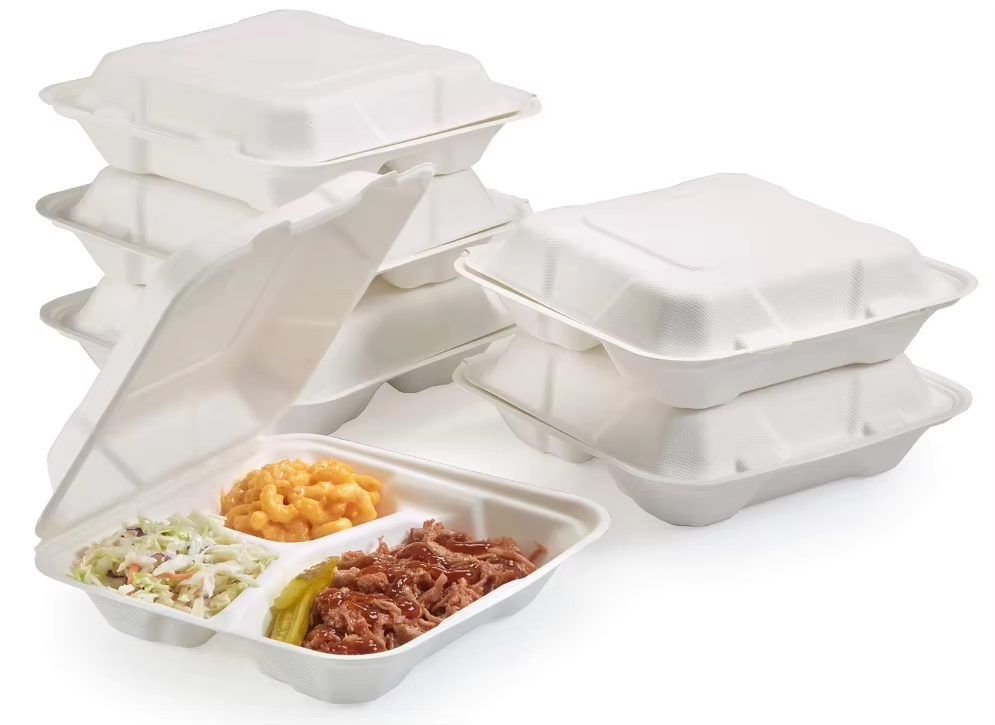
1. Product Structure and Design
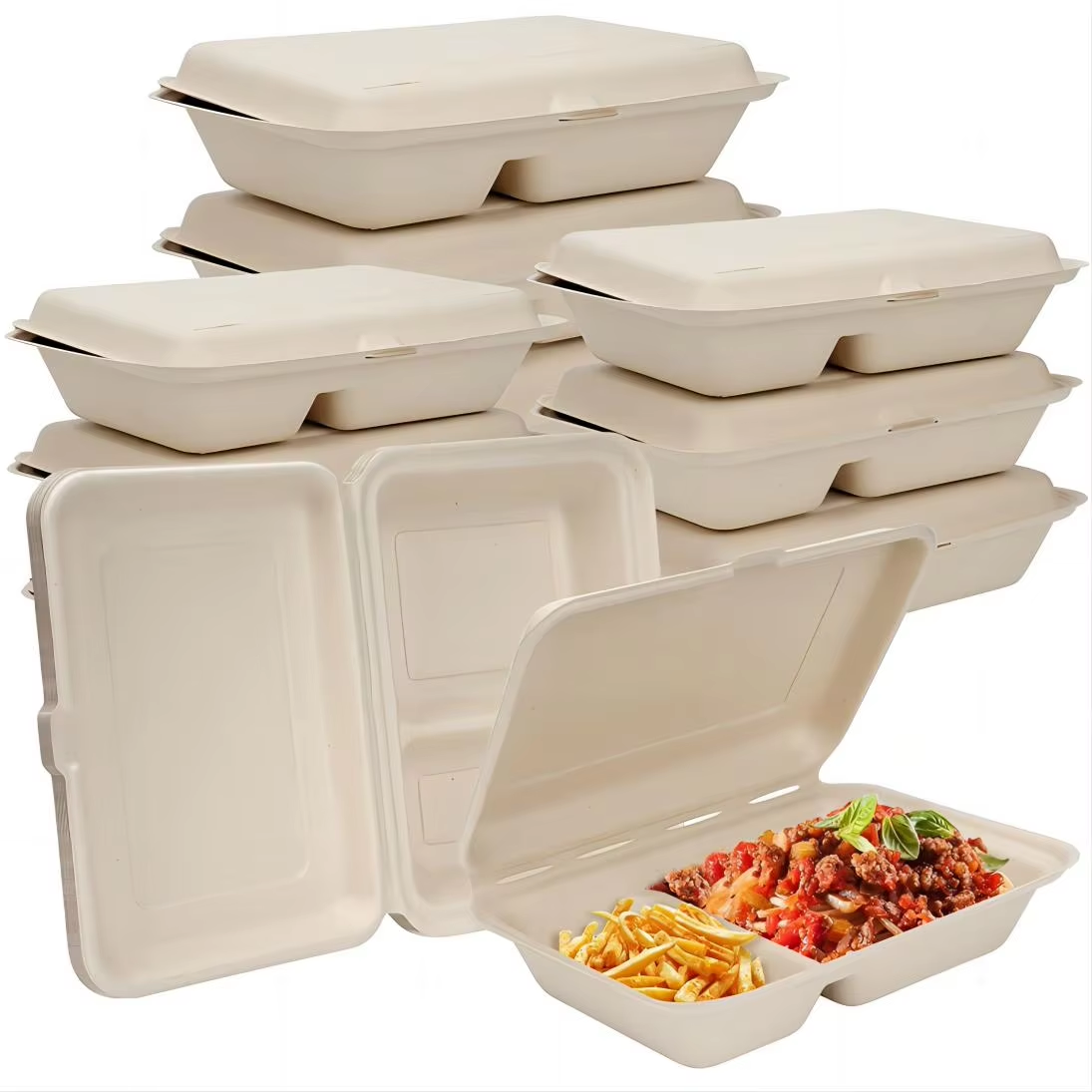
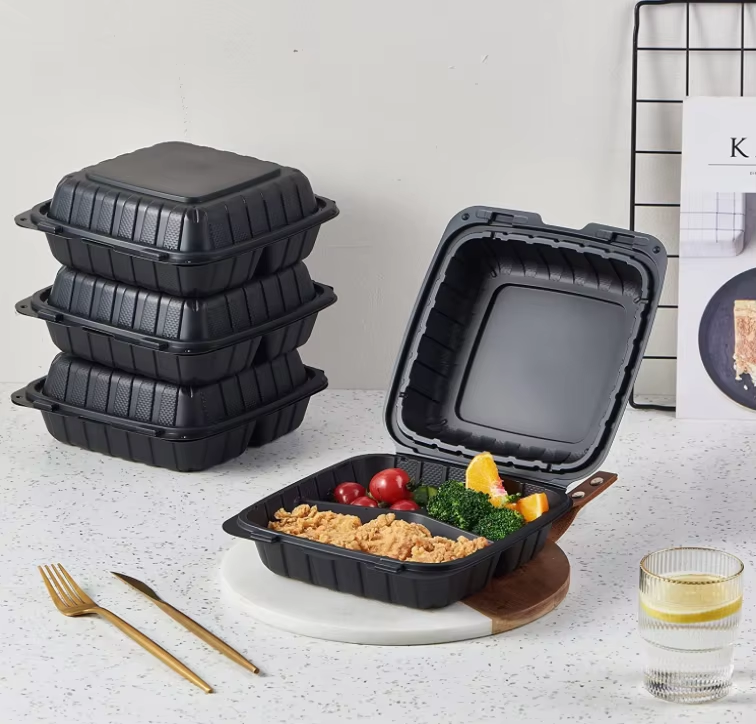
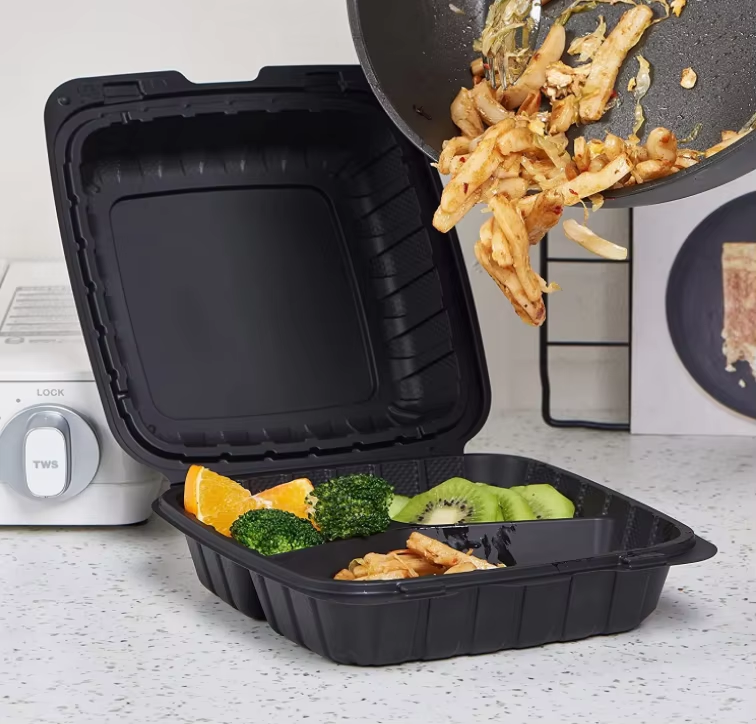
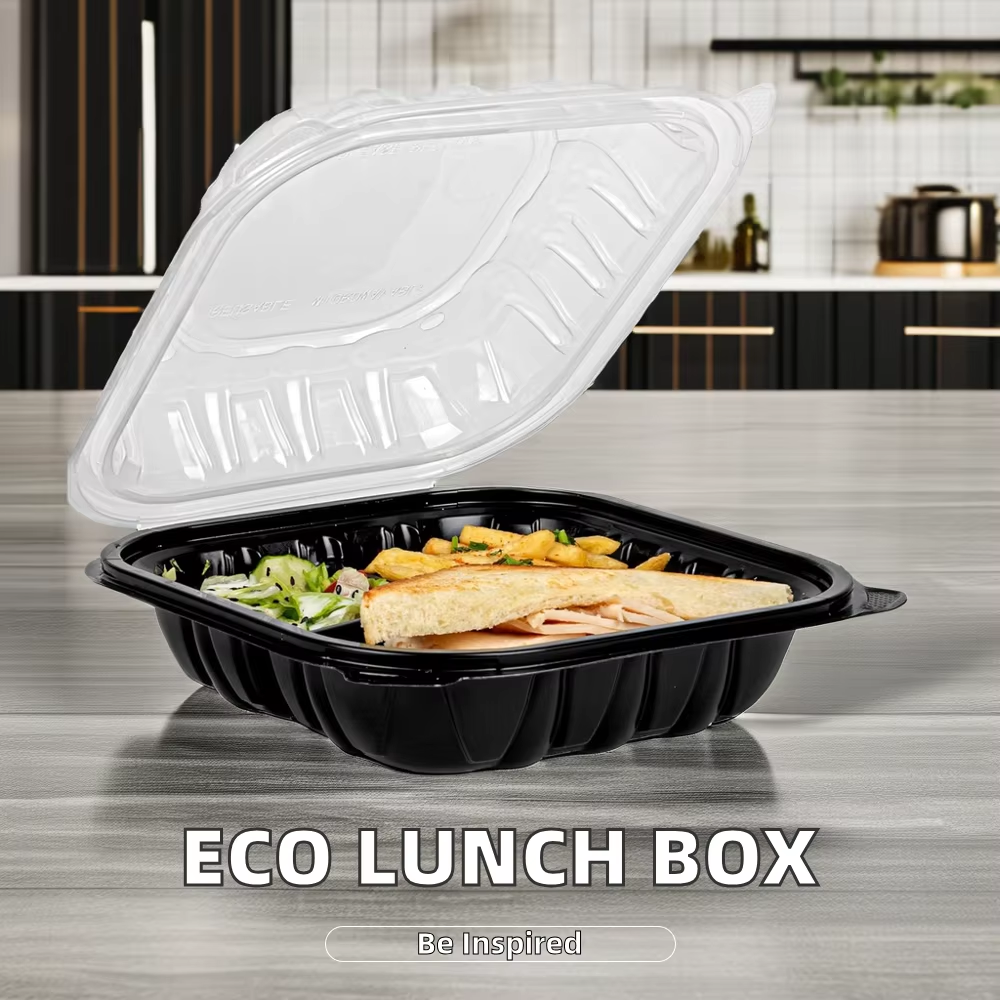
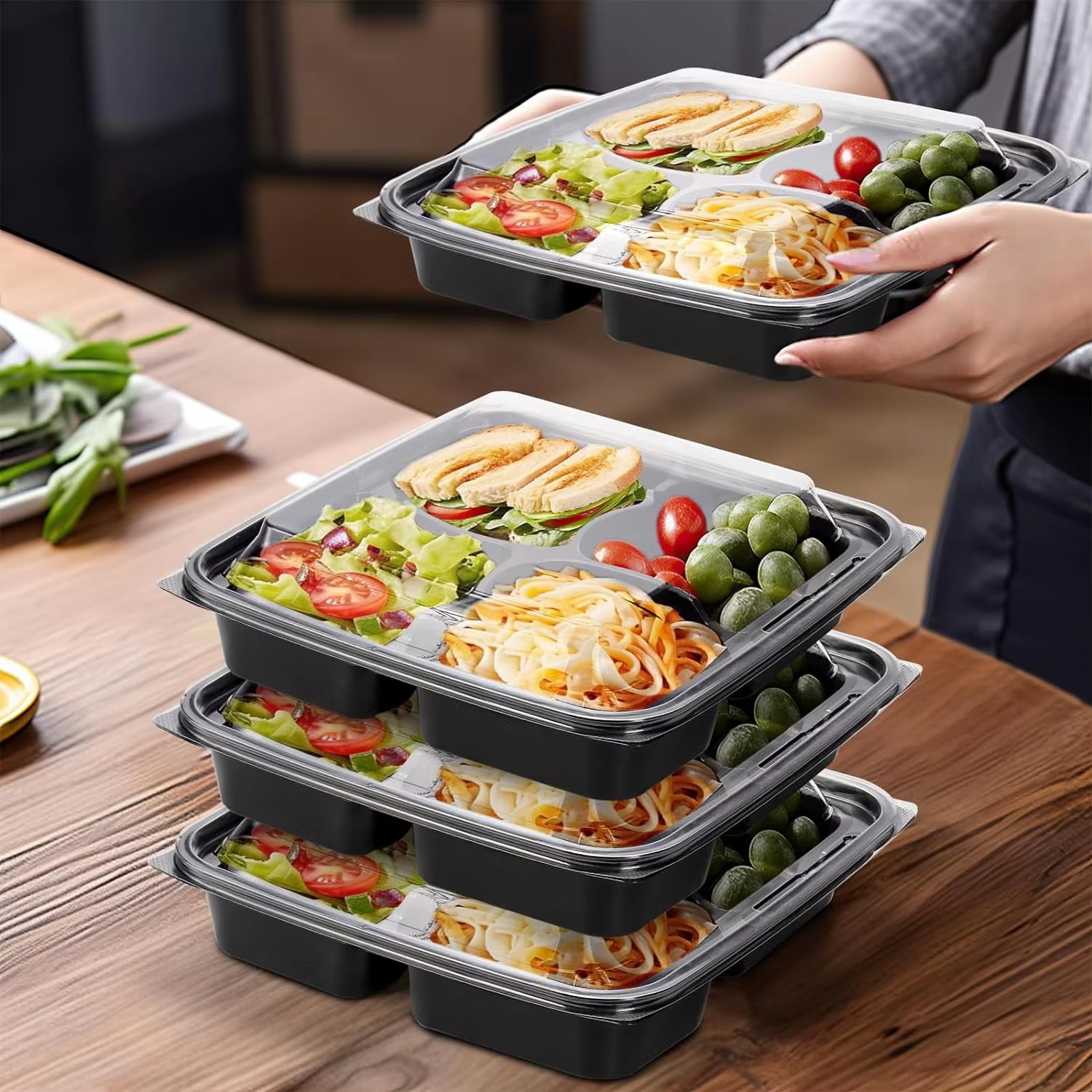
• 3-Compartment Bento Box : Features independent three-grid partitioning, ideal for separating staples, side dishes, and sauces (e.g., rice + stir-fry + soup) to prevent flavor mixing, meeting the meal-portioning needs of catering takeout.
• Biodegradable Materials : Made from bio-based materials like corn starch and PLA (polylactic acid), which decompose in natural environments, reducing plastic pollution.
2. Specifications and Features
• Capacity and Dimensions : Common size is 25cm×18cm×6cm, with a total capacity of about 1200ml. Single-grid capacities fit standard portions: staples (500ml), side dishes (400ml), and snacks (300ml).
• Functional Design : The lid has a buckle lock for leak-proof sealing. Some models withstand temperatures from -20°C to 120°C, suitable for refrigeration or microwave heating (always check material instructions).
3. Application Scenarios
• Catering Takeout and Delivery : Used by restaurants and fast-food outlets to pack bento boxes and set meals. The three-grid design enhances food presentation for takeout, while the sealed structure prevents soup leakage during long-distance delivery.
• Corporate Group Meals and Exhibitions : Ideal for company lunches or exhibition buffet areas. The portioned design meets hygiene standards, and biodegradable features align with environmental concepts, suitable for bulk procurement.
• Outdoor and Portable Use : Holds cooked food for picnics and camping. Lightweight and easy to carry, it can be disposed of after use (follow waste classification rules), reducing cleaning efforts.
4. Environmental and Compliance Advantages
• Sustainable Materials : Compared to traditional PP plastic lunch boxes, biodegradable materials decompose within 6-12 months, complying with the EU Packaging Waste Directive and domestic "plastic restriction" policies.
• Food Safety Certification : Materials meet FDA , LFGB, and other food contact safety standards, odorless and free from harmful substance leaching, suitable for direct contact with hot food.
5. Market Competitiveness
• Cost-Effectiveness and Practicality : Bulk purchase costs are 20% lower than traditional biodegradable lunch boxes. The three-grid design reduces packaging time (no need for extra dividers), improving efficiency for catering businesses.
• Brand Image Enhancement : Customizable printed versions with restaurant logos or environmental slogans convey a green brand concept, attracting sustainability-conscious consumers
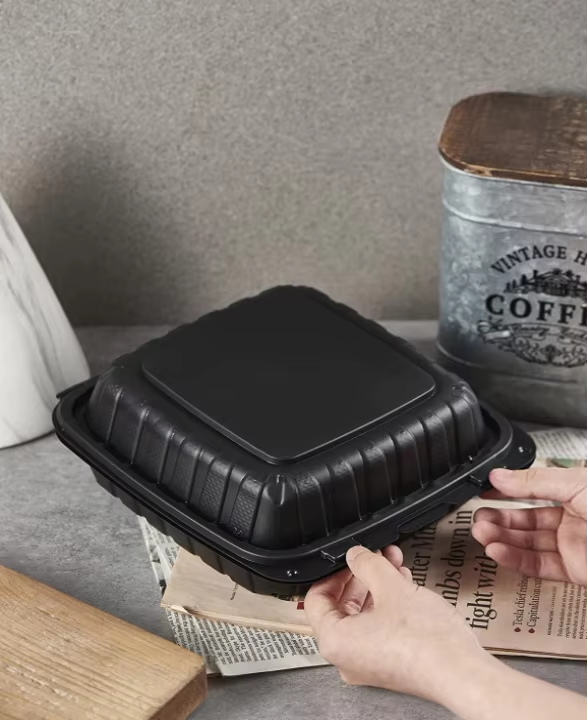
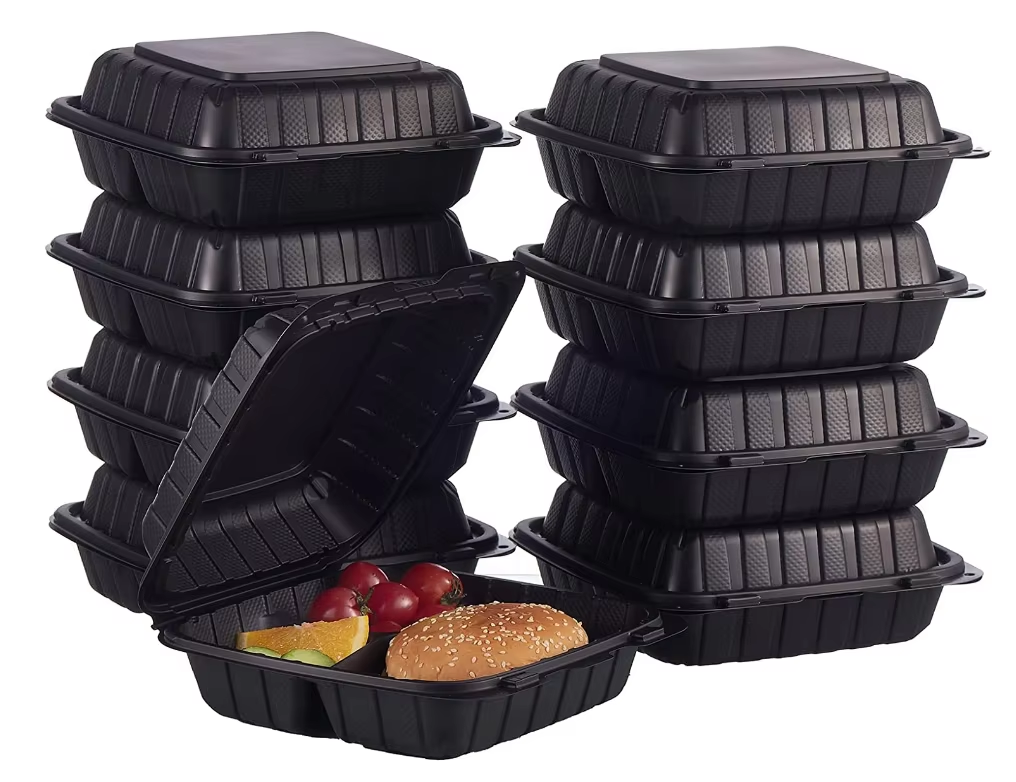
Applications:
1. Restaurant & Fast Food Takeout
• Standard Meal Packaging: Used by Chinese restaurants to separate rice, stir-fries, and soup; ideal for Western fast food to divide fries, burgers, and side salads, preventing sauce mixing.
• Premium Takeout Experience: High-end restaurants use them for plated meals (e.g., steak + mashed potatoes + vegetables), with the compartment design maintaining food aesthetics during delivery.
2. Corporate & School Canteens
• Office Lunch Distribution: Companies order bulk boxes for staff meals, with partitions ensuring balanced nutrition (grains + proteins + vegetables) and reducing cross-contamination.
• School Lunch Programs: Primary/secondary schools use them for student meals, meeting health department requirements for portion control and hygienic separation.
3. Event Catering & Exhibitions
• Trade Show Buffets: Exhibitions use them for self-serve lunches (e.g., pasta + salad + fruit), with biodegradable materials aligning with green event standards.
• Wedding & Party Catering: Outdoor weddings or garden parties adopt them for eco-friendly meal service, eliminating the need for dishwashing after large gatherings.
4. Outdoor & Travel Dining
• Camping & Hiking Meals: Lightweight boxes hold pre-cooked meals (noodles + side dishes) for campers, with biodegradable material allowing disposal in designated areas.
• Train & Airline Food: Airlines use them for eco-friendly in-flight meals, reducing plastic waste; high-speed rail services adopt them for hot meal takeout.
5. Healthcare & Elderly Care
• Hospital Patient Meals: Hospitals use partitioned boxes to serve diets for patients with special needs (e.g., low-sodium dishes separated from regular meals), ensuring meal hygiene.
• Senior Care Facilities: Elderly care centers use them for portion-controlled meals, with compartments aiding visually impaired seniors in identifying food types.
6. Eco-Friendly Retail & Convenience Stores
• Ready-to-Eat Meal Packaging: Convenience stores sell pre-packaged bento boxes (sushi + side dishes + miso soup) in biodegradable containers, appealing to eco-conscious consumers.
• Farm-to-Table Deliveries: Organic food brands use them for home-delivered meals, reinforcing their sustainable brand image through packaging.
7. Disaster Relief & Emergency Response
• Relief Food Distribution: During natural disasters, aid organizations use biodegradable boxes to provide balanced meals (rice + canned food + vegetables) to affected areas, minimizing post-relief waste.
• Field Operations: Construction sites or military field camps use them for portable meals, combining practicality with environmental responsibility.
8. Educational & DIY Scenarios
• Cooking Class Kits: Culinary schools use them for student practice (e.g., plating exercises), with compartments teaching portion control; DIY meal kit brands ship ingredients in pre-divided boxes.
• Children’s Lunchboxes: Parents use them for kids’ school lunches, separating snacks, fruits, and main dishes to encourage balanced eating (e.g., sandwich + carrot sticks + yogurt).
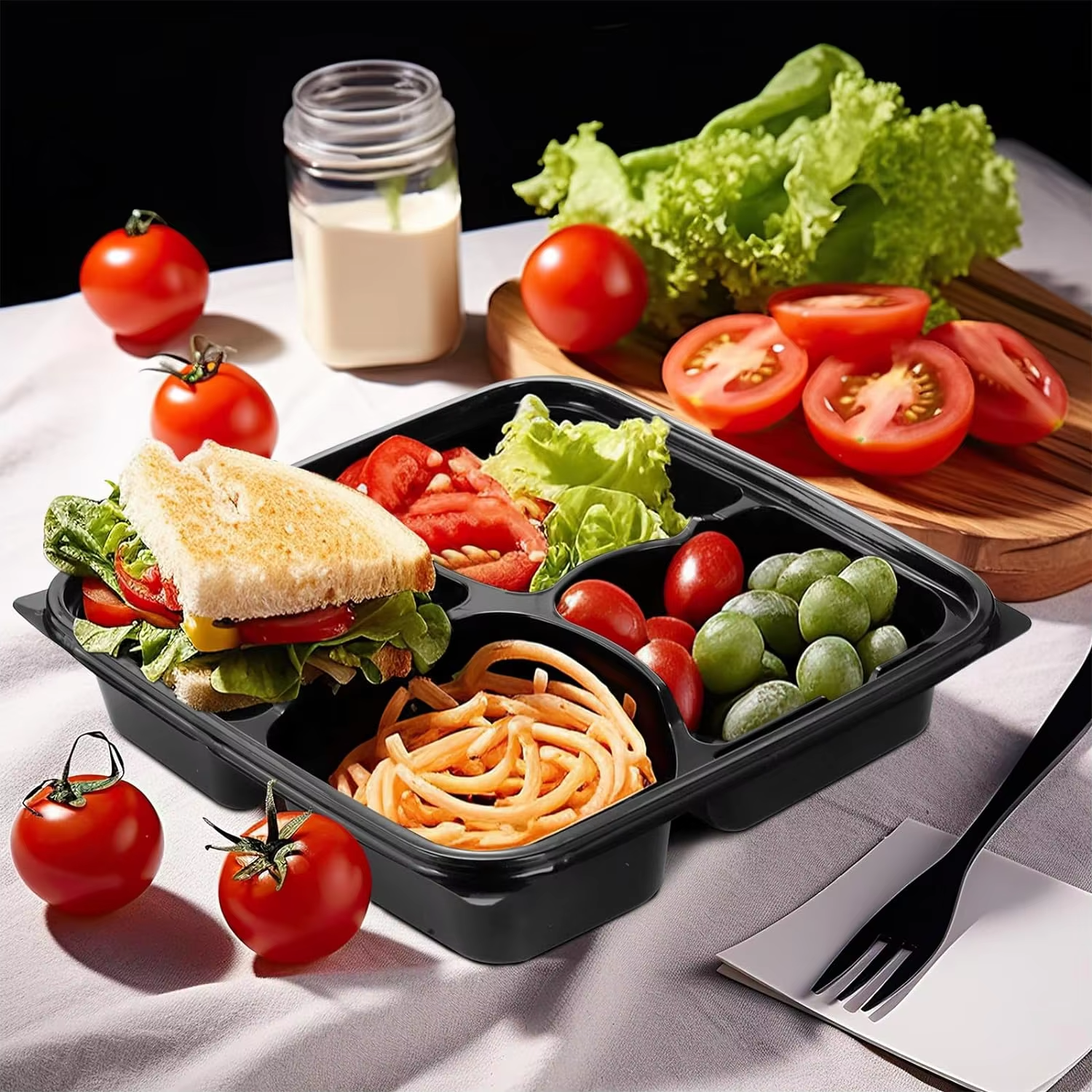
Compe titive Advantage:
1. Environmental Sustainability Edge
• Full Biodegradability : Made from corn starch/PLA, decomposes in 6-12 months in composting conditions, 100% reducing white pollution—critical for brands meeting EU Single-Use Plastic Directive or China's plastic ban policies.
• Carbon Footprint Reduction : Production emits 40% less CO₂ than traditional PP plastic, with some models using recycled plant waste, appealing to eco-certified restaurants (e.g., LEED, B Corp).
2. Functional Design for Catering Needs
• Leak-Proof Triple Partitioning : Independent grids (500ml/400ml/300ml) prevent sauce mixing (e.g., soy sauce from contaminating rice), ideal for Asian cuisine; lockable lids pass 30° tilt leak tests for soups.
• Temperature Resistance : -20℃ to 120℃ compatibility allows microwave reheating, cold storage, or hot food delivery (e.g., keep fried rice warm for 2+ hours with insulated bags).
3. Cost-Efficiency for Commercial Use
• 20% Lower Bulk Cost : Compared to traditional biodegradable boxes, mass-produced PLA/corn starch materials cut procurement costs; 1000+ unit orders qualify for custom mold discounts.
• Labor Saving : Pre-divided compartments eliminate need for extra packaging (e.g., separate sauce cups), reducing restaurant packing time by 30%—critical for high-volume takeout.
4. Regulatory Compliance & Safety
• Global Food Safety Certifications : Meets FDA , LFGB, and China GB 4806.7 standards, with zero BPA/phthalates—essential for hospitals, schools, or export markets (e.g., EU, Japan).
• Heat Sealing Compatibility : Lids support thermal sealing for tamper-evidence, meeting food delivery safety requirements (e.g., clear seals indicate if packaging was opened).
5. Brand Marketing & Consumer Appeal
• Eco-Branding Opportunities : Custom print restaurant logos with "biodegradable" slogans or recycling icons, boosting brand image—72% of consumers prefer eco-packaged takeout (Nielsen 2024).
• Social Media Visibility : Aesthetic grid layouts enhance food photography (e.g., colorful bento boxes on Instagram), driving user-generated content for restaurants.
6. Multi-Scenario Adaptability
• Cross-Industry Versatility : Suits restaurants, corporate canteens, airlines, and even pet food delivery (separate wet/dry food); 3-grid design works for meals, snacks, or cosmetics sampling.
• Seasonal & Themed Customization : Holiday-themed prints (e.g., red/gold for Lunar New Year) or shaped compartments (heart grids for Valentine’s Day) enhance event catering sales.
7. Logistics & Storage Efficiency
• Stackable & Lightweight : 25cm×18cm size stacks neatly, saving 50% warehouse space vs. round containers; 1200ml capacity weighs 80g, reducing shipping costs by 25%.
• Freezer-to-Oven Usability : Allows centralized meal prep (cook/batch-freeze), then reheat in boxes—ideal for hospital/elder care facilities with standardized menus.
8. Waste Management Convenience
• Easy Composting : Biodegradable material can be disposed of in organic waste bins, aligning with cities’ food waste recycling programs (e.g., San Francisco, Tokyo).
• Consumer Education Support : Packaging includes QR codes linking to composting guides, reducing misdisposal and reinforcing environmental responsibility.