 ×
×
When it comes to sustainable dining, frase ‘s sustainable and eco friendly bagasse plates for a plastic alternative to throwaway plates are divided in two s’ describes it best. While plastic plates take hundreds of years to decompose and add to the pollution in the soil and water, bagasse plates are made of bagasse, the fibrous residue left after extracting juice from sugarcane. Bagasse is 100% compostable and biodegradable. When disposed of, bagasse plates get transformed naturally into soil within 3-6 months, during which time they add organic fertilizer, and importantly, during the breakdown do not emit any harmful substances. Moreover, bagasse plates promote the conservation of nonrenewable resources like petroleum used to produce plastic, and trees used in the manufacture of paper plates.
For instance, a restaurant that switches from plastic to bagasse plates can reduce its annual plastic waste by more than 500kg, from and the positive impact of this on the environment is massive. In the current time when the world is focused on reducing single-use plastic, bagasse plates are one of the ideal options to practice smart and sustainable dining. Pl
High quality bagasse plates are resistant to bending or leaking when carrying heavy or wet foods like curries, stews, and fruits. These plates are designed to hold either hot or cold foods without tearing like thin paper plates do. They are capable of enduring temperatures from -20 to 120 degree celsius, and do not warp when serving hot soups or freezing desserts. For example, when serving a buffet, a caterer can use bagasse plates to confidently serve hot pasta and cold salads without worrying about performance, folding, or leaking. Therefore, they can be used at home or in restaurants, cafes, and catering services.
Bagasse plates are versatile and can be used for different dining situations in order to support sustainable practices. They can be used in restaurants and cafes in place of disposable paper or plastic plates, responding to the increasing demand for sustainable dining.
The lightweight and easy-to-carry design of compostable bagasse plates is ideal for outdoor functions such as picnics, food festivals, and weddings. They don’t leave behind litter that can damage the environment. Bagasse plates are often used in schools and workplaces for cafeteria meals as their low cost enables companies and institutions to manage food waste effectively. They are also a popular choice for casual dining or parties as they minimize the need to clean dishes. Water conservation is also a plus.
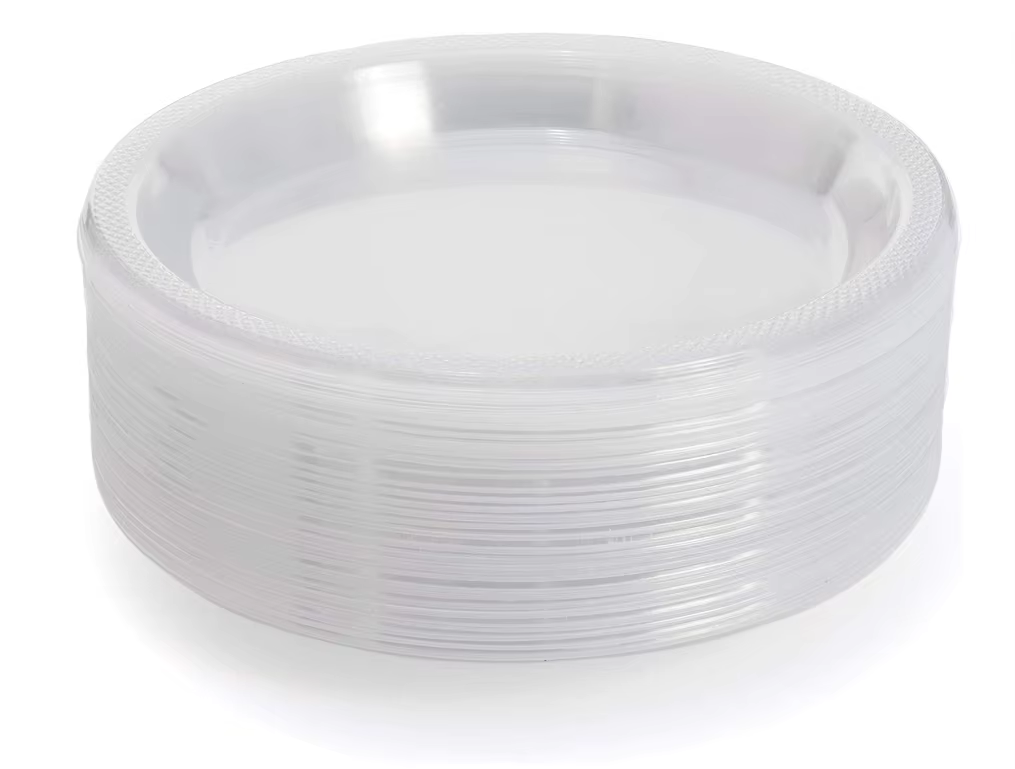
Bagasse plates break the misconception that eco friendly products are expensive. For businesses and everyday consumers, they offer sustainable dining as bagasse plates compost with food waste. Bagasse plates are currently offered in bulk, and cost a minimal amount in comparison to single use plastic or paper plates. Diners of eco friendly restaurants often appreciate companies that use sustainable dinning products, and the higher price is usually accepted. This is a plus for small, independently owned establishments.
Also, bagasse plates effectively reduce disposal costs because they can be composted and sent to composting facilities, rather than being sent to landfills, therefore saving disposal costs to businesses. Some areas offer composting services at little or no cost, and such places can provide such municipalities subsidies or grants that further help to offset the cost of using such compostable products, including bagasse plates. In the long, the economic and environmental cost of using bagasse plates compensating for the initial investment make these plates a rational economic decision for businesses that seek out eco-friendly food plates.
As the world continues its quest for the sustainability of the planet, bagasse plates will be one of the key ambassadors of the next generation of eco-friendly foods and dining experiences. A rising number of diners will assess the environmental actions of food establishments and seek to choose more responsible places to dine, while any food service using bagasse plates will be better positioned to deal with this anticipation. There are new innovations in the production of bagasse plates, such as plates with bento box compartments, and aesthetically pleasing plates that enhance the dining experience, all with a focus on eco-friendly dining. In addition, bagasse plates promote the circular economy with all sugarcane farmers, as they serve as additional income avenues through the sale of bagasse, while the compost from bagasse plates nourishes soil for better crops.
Ultimately, bagasse plates aren’t merely a passing phenomena; they dovetail food production, dining, and waste management into a cohesive, eco-friendly system. The food industry can become more responsible and, as such, more sustainable.
 Hot News
2025-10-31
2025-10-28
2025-10-27
2025-10-25
2025-10-24
2025-10-23
Xiamen Xiexinhong Plastic Co.,Ltd provides custom disposable plastic & biodegradable packaging worldwide. ISO-certified OEM/ODM services with 2D/3D design, NDA protection, and quality assurance from raw material to delivery.
Copyright © 2025 by Xiamen Xiexinhong Plastic Co.,Ltd. Privacy Policy

 EN
EN