
 EN
EN



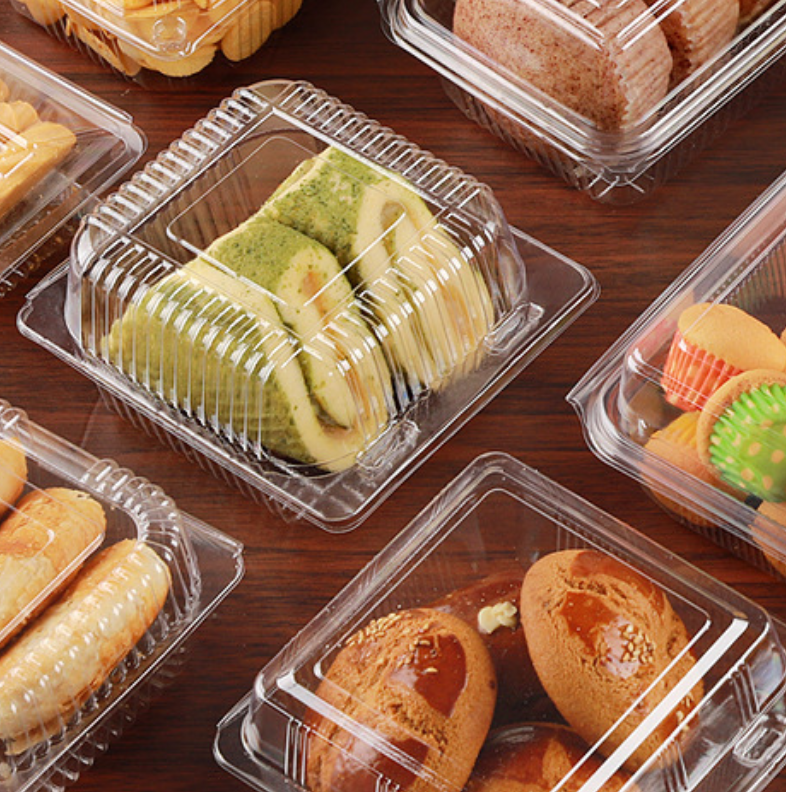
The Effect of Sustainable PET Boxes on Brand Trust and Competitive Position
Two of the most environmentally conscious consumer demographics, millennials and Gen Z, are driving the market to consider the environmental implications of their purchases. Companies that reinforce their commitment to preserving the environment through the procurement of sustainable PET boxes, which are manufactured from post-consumer recycled (PCR) content and optimized for circularity, gain the trust of consumers. In fact, 73% of the global consumers are willing to pay a premium for sustainable alternatives to traditional packaging (NielsenIQ 2023) to express their support for sustainability. Furthermore, replacing traditional packaging with sustainable alternatives provides consumers with the packaging equity they desire.
The alignment of purpose provides a clear advantage for a business in a competitive market.
Brand loyalty that leads to repeat purchases for eco-friendly packaging driving retention rates up to 30% (Forrester 2023) and sustainability establishing itself as the most important loyalty driver.
Increased social proof as consumers are five times more likely to post about their sustainable packaging on social media, allowing brands to gain reach without using paid media.
The recyclable and sustainable nature of PET boxes do not just offer unique shelf appeal, but they have a proven 79% lower carbon footprint as opposed to virgin PET (Circular Packaging Report 2024) and provide brands with a significant advantage for packaging options that are not recyclable.
Marketing PET boxes as a sustainable alternative to non-recyclable options is a step towards environmental protection. Brands that have recognized the importance of sustainability will position themselves to capture premium consumers and shift themselves away from global packaging strategies to meet continually changing regulations.
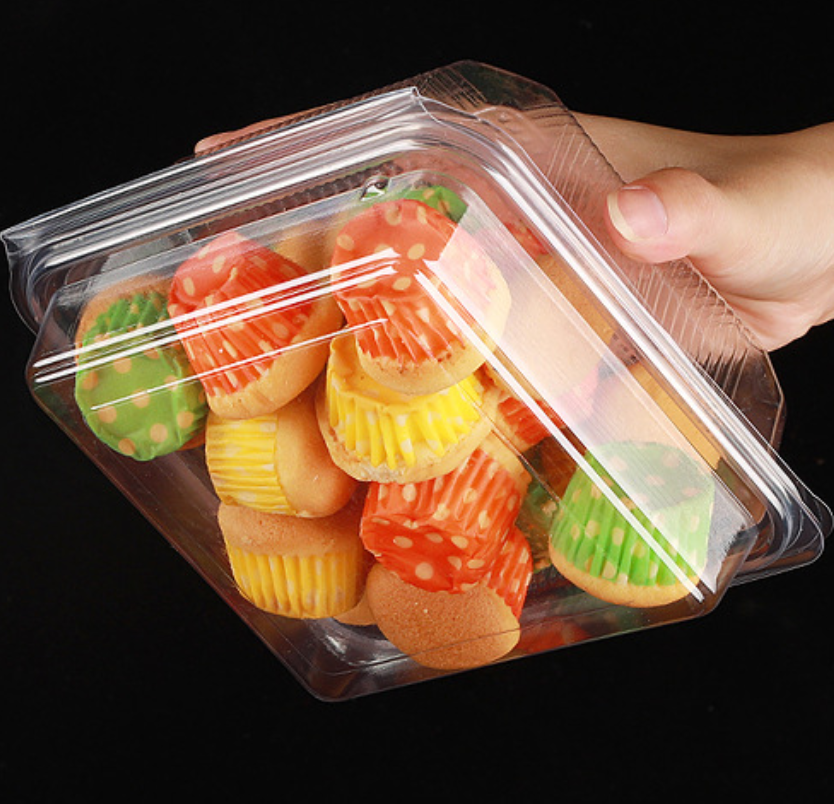
The sententious man about high-performance sustainable PET boxes in the greater context of the recycling initiatives highlights the rPET content and food-safe compliance issues.
He mentions that modern boxes manufactured from 100% rPET seem to have overcome barriers to creating rPET that is pure and simultaneously food grade safe. Advanced purification techniques are able to keep post consumer waste after various purification methods of supercritical CO and molecular filtration CO, and the post consumer waste, for the first time, is fully compliant to the regulatory requirements of the FDA and EFSA. There are now some manufacturers of PET that can compete with the most demanding customers in the cosmetics and dry food segments with an rPET that is fully compliant to the standards of a circular economy. Most importantly, the rPET is fully compliant to the standards of a circular economy. Most importantly, there is an 79% reduction of carbon emission when compared to the virgin PET in the production of the circular economy compliant rPET. 79% compared to the virgin PET in the production of the circular economy compliant rPET. (Circular Packaging Report 2024)
Mono-Material Design is the most enabling and true curbside revolution in the world of recyclable PET box structures.
Mono-material PET designs have revolved around the central recyclability of the structures and have constructed the core composite, and multi-layer packaging from the various other designs. These boxes have been constructed from the various sheets of composite to provide excellent quality and to ensure high accuracy at the material recovery facilities (MRFs). Unlike the various other box designs, the various other boxes have been designed to be integrated with the other components and materials to ensure that there are no non-recyclable or non-recoverable components. Mono-material PET boxes have been introduced into the industry and have been proven to provide a protective and excellent quality throughout the industry.
Scaling Circularity: Sourcing, Manufacturing, and End-of-Life Strategy for PET Boxes
Summary of the rPET Supply Chain
Obtaining consistent, high-quality post-consumer recycled (PCR) PET resin for production has remained an ongoing operational challenge. The clarity and color of the resin are contingent on the collection stream—bottle vs tray—and the regional recycling infrastructure in place. Darker, hazy PCR flakes are not suited for aesthetic applications, and in addition to lowering the value of the reprocessing, often lead to an overall negative perception. To mitigate this condition, leading companies have invested in optical sorting, extensive flake screening, and real-time spectral monitoring to meet the established quality thresholds. Supply chain volatility persists, however. The collection rates of municipal PET can fall anywhere from below to 30%, leading to a significant geographic risk. Long-term partnerships with certified recyclers and participation in material banks help to stabilize the supply. Designing products with a broader color palette also helps relax the brand’s color requirements while still maintaining the apostolistic brand integrity, and results in the use of a higher volume of PCR.
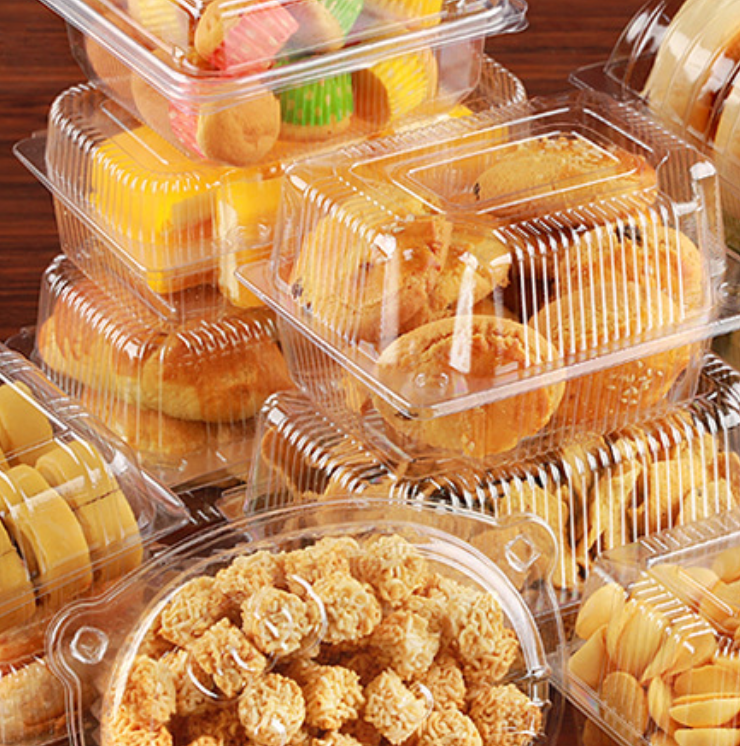
Designing for Recovery: The Impact of PET Box Architecture on Sortation Efficiency and Reclaim Yield
Every choice made in the construction of a PET box impart a consequence at the end of its useful life. The most foundational element is mono-material construction. However, basic geometry is critical to achieving the best results. Simple forms with minimum profile depths and no internal cavities or recesses avoid stagnation of product residue. These design features improve shredding efficiency and increase reclamation yields by 15 to 20%. Water-soluble adhesives, unpigmented, and paper-based labels avoid polymer contamination of packaging. Standard dimensions combined with the absence of foils and metallized films, eliminate low-quality black fillers, and ensure compatibility with near-infrared sorters and automatic lines. Collectively, these decisions designed to improve the end-of-life packaging creates a high-quality feedstock supply that enhances the closed-loop systems and recycling rates of more than 80% of materials.
Frequently Asked Questions
What are sustainable PET boxes?
Sustainable PET boxes are made from post-consumer recycled material and are designed to be recycled and to recycle to reduce impact on the environment.
Why should a brand care about sustainable PET boxes and use them?
Sustainable PET boxes can lead to customer retention. They can help sustain your brand in the ever-crowding marketplace and help sustain your brand with international incorporation and promotional opportunities.
Are sustainable PET boxes designed and brought into compliance with the states and EU food and safety laws?
Yes. Modern boxes of recycled PET are designed and brought into compliance with the contemporary EU food grade safety laws to defend against any penetration from the outer pack including in the area of food and cosmetics.
What is the advantage of mono-material design for PET boxes?
. Mono-material design simplifies recycling and achieves high sortation accuracy in recycling. This reduces the energy consumption, and the overall consumption of the material while maintaining the structural integrity of the material.