
 EN
EN



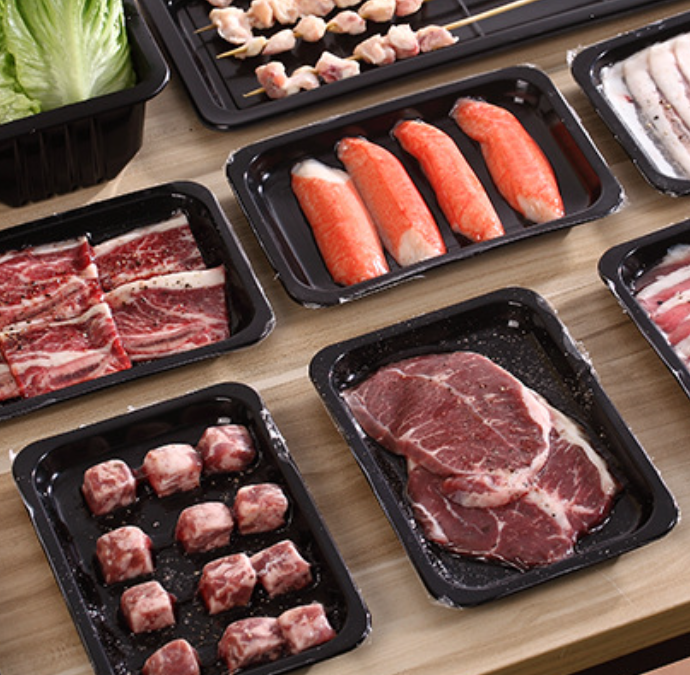
Compostable Supermarket Tray Options for Fresh Foods
How Molded Fiber (Sugarcane & Bamboo) Trays Meet EN 13432 and Support Circular Logistics
In the range of packaging solutions, molded fiber trays from sugarcane and bamboo provide a fully industrial and commercially scalable option for packing fresh food. They hold an EN 13432 certification, which means they are deemed industrially compostable and are guaranteed to fully break down into benign, non-toxic organic matter in 12 weeks. Their natural moisture barrier maintains the quality of the produce without the need for plastic liners and supports an initiative of circular economy by using agricultural by-product as the input in the production process. When composted in municipal composting systems, the trays serve the purpose of improving soil health, helping to divert waste from landfills and helping to break the cycle of reliance on plastic trays—potentially reducing plastic trays by as much as 89%, based on 2023 lifecycle studies.
Real-World Impact: Leading Retailer’s 72% Plastic Reduction Using Compostable Supermarket Trays for Fish and Meat
One of the biggest supermarkets in the UK has already swapped PVC trays with these molded fiber trays for most of its fresh meat and seafood ranges. This change has led to a plastic packaging reduction of 72%, amounting to 310 tons of packaging saved annually. All of the product protection, shelf life, and cold-chain integrity expectations have been met as well, with tray breakage rates being maintained below 0.5%. Customers have rated these trays very favorably, with over 85% of respondents viewed the change as a positive improvement to the store’s sustainability effort. This change has also contributed significantly to the new Packaging and Packaging Waste Regulation (PPWR) being set by the European Union, showing the value of these compostable trays in a large operational setting.
Recyclable Supermarket Tray Systems: Optimizing rPET for Closed-Loop Efficiency
rPET Performance Benchmarks: 30–50% Lower Carbon Footprint vs. Virgin PET (Based on LCA Data)
The use of recycled polyethylene terephthalate (rPET) trays instead of virgin PET has a significant positive effect on the environment. For example, assessments of the life cycle of these trays indicate a reduction of 30–50% in carbon emissions due to the avoidance of the extraction of petroleum and the synthesis of a primary polymer. rPET, in contrast to emerging bioplastics and laminated paperboard, has a recycling rate of almost 100% because of the mature recycling and recovery infrastructure. In fact, the United Kingdom boasts a 55% recycling rate for rigid plastic packaging, including rPET trays (WRAP, 2023). The closed-loop system of these trays allows for the grinding, decontamination, and remolding of packaging trays back into food grade packaging.
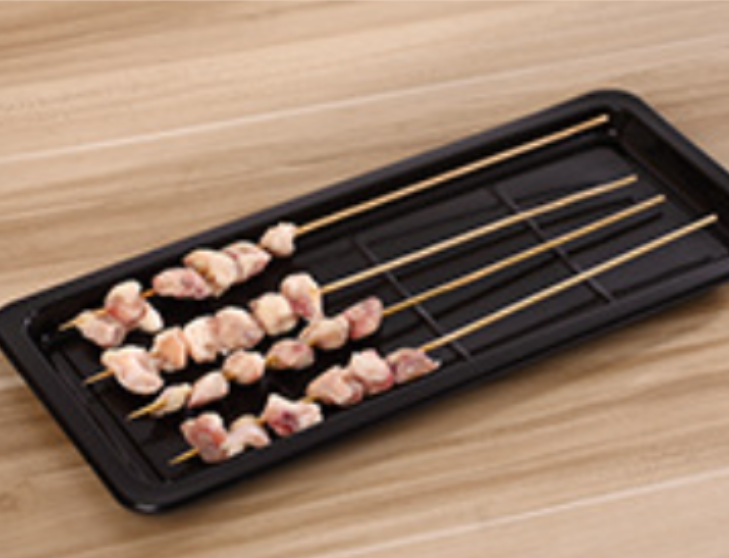
Packaging Type Recycled Content Recycling Rate CO₂ Emissions
Meeting EU Packaging Regulations: rPET Supermarket Trays Provide Compliance and Brand Responsibility
rPET trays assist retailers in achieving important regulatory goals, including the minimum recycled content in plastic packaging of the EU’s PPWR, and the up to 100% post-consumer recycled (PCR) content certified food contact approved by both the FDA and EFSA). In addition, trays represent a practical circular economy solution by enabling collection, sorting, and industrial composting.
Emerging biobased alternatives: produce super market cellulose and bamboo trays
Food safe technology: Bamboo cellulose blends that meet FDA and EFSA standards and are PFAS free
Bamboo-cellulose blends, underpinned by rapid renewability, bamboo growing 1.5-2 times faster than timber, and structural reliability, along with complete food-contact safety, these trays are the first of their kind. They are PFAS free, and fully compliant with FDA and EFSA regulations with no harmful traditional plastic concerns of leaching. Independent test results have been confirmed with refrigerations and warping during transport. The natural micro-porosity regulates around the produce and extends the shelf life. Their end of life industrial compostability ensures circularity. The natural micro-porosity regulates humidity around the delicate produce, extending shelf life, while their industrial compostability ensures end-of-life circularity. The first of their kind to be adopted by leading European grocers and have reported a 30-50% lower carbon footprint v. plastic alternatives in the fresh produce sector.
Strategic selection framework: supermarket trays matched to product, shelf life, and infrastructure
The selection of supermarket tray materials involves a delicate balance of technical attributes and practical considerations. Retailers are tasked with three interconnected considerations:
- Product compatibility: Meat and seafood demand leak-proof, barrier-enhanced materials (e.g., rPET with approved coatings), while produce benefits from breathable, moisture-regulating materials (e.g., bamboo-cellulose or molded fiber).
- shelf life: Modified Atmosphere Packaging (MAP) trays extend the shelf life of ready-to-eat meals, but the gas-barrier properties are incompatible with home composting—so they’re best suited to recyclable or industrially compostable systems.
- Local infrastructure: compostable trays are circular but only if industrial composting is available; if not, systems with high recycling rates like rPET offer a more closed-loop solution.
Major grocery chains have identified an area of sustainable spending that increases Return on Investment (ROI). There is a high demand for certain types of sustainable materials used for trays that contain specific product categories, such as compostable sugarcane fiber trays for chilled fish, lightweight rPET trays for dry goods, and bamboo-cellulose trays for produce. The design of these trays also needs to complement existing machinery, as any odd shapes or weak trays could inhibit the high-speed filling lines. The use of innovative sustainable materials to develop trays is best done in phases, starting with those that have the most potential and the least resistance.
FAQ Section
What is the main advantage of using molded fiber trays in grocery stores?
Molded fiber trays that are made of sugarcane bagasse and bamboo are industrially compostable. They also reduce the amount traditional plastic trays use, have a plastic liner that is not compostable, and preserve the quality of the produce.
What is the environmental impact of using rPET trays?
Using rPET is one of the most environmentally conscious decisions a supermarket can make. It offers a 30-50% decrease in carbon footprints in comparison to using virgin PET, and it also offers a closed-loop reusable system. Another advantage is that rPET is single use, and the recycling infrastructure that is available is mature.
Are bamboo-cellulose trays safe for food storage?
Yes. Bamboo and cellulose trays are free of PFAS, and they are compliant with the safety of food standards set by the FDA and EFSA. They are also great for produce because they have a micro-porous structure that can help contain and reduce moisture.
How can grocery stores best utilize the variety of tray materials for use in their supermarkets?
This process begins with the selection of the materials used for the tray itself. Using materials that have a high degree of compatibility with the product are always good. The containers used should take into consideration the parameters of the shelf life, as well as the local environment.