
 EN
EN



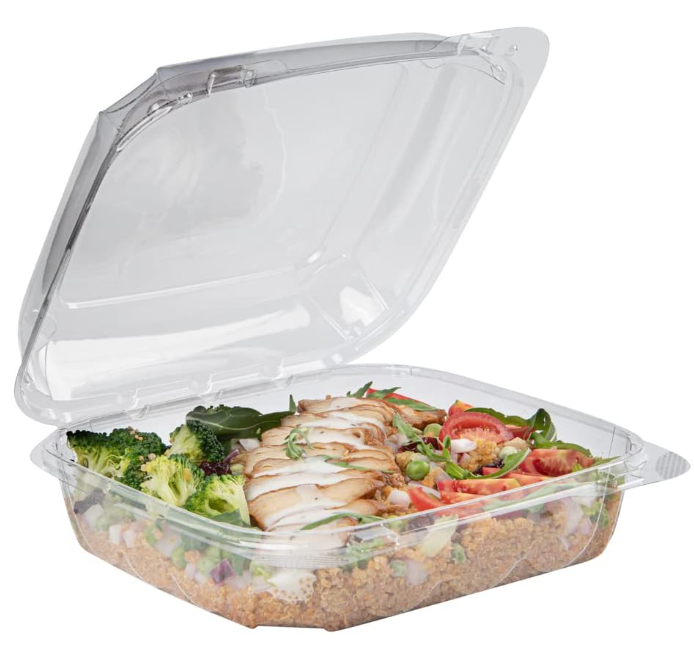
Material Science: Why PET Speaks Superior Barrier Performance
Inherent Rigidity, Clarity, and Molecular Density Enable Structural Integrity and Low Permeability
Moisture transmission rates are also very low compared to other packaging materials because of PET\/EVOH and PET\/PE. For example, PET\/EVOH and PET\/PE have moisture transmission rates of less than 0.8 g/m2/day. This low transmission rate helps maintain the moisture content of the packaged fruits and vegetables, and helps limit the growth of bacteria. In addition to the low moisture transmission rates, PET's other inherent and desirable material properties, such as mechanical strength, barrier properties, and transparency, allow PET to be used in a wide variety of applications. One such surface barrier application is the PET clam shell packaging and the PET cartons in use as packaging. In relation to the crystalline structure of PET, PET has low levels of moisture transmission and oxygen transmission rates in the crystalline state. These oxygen transmission rates is the reason PET clam shell containers do not need to be used with other plastics to maintain the integrity of the products inside. PET samples have OTR's of 0.5 cc/m2/day which is 10 times less than the OTR of residential grade PP.
Oxygen and Moisture Barrier Performance of PET vs. rPET: Effect of Recycled Content
Aside from breaching the barriers of new materials, rPET doesn't appear to do the same practically. Independent testing of new PET and rPET showed differences in the OTR and the MVTR that were generally less than 5%. It has to do with the fact that rPET (via mechanical recycling) does not degrade the polyester (ethylene terephthalate) monomer that is responsible for those barrier properties in the first place. This is an important fact with regards to more permeable obstacles presented by things like pet clamshells. And that's the catch. Layers of recycling can paradoxically increase the permeability of materials to oxygen by up to 12%, probably more when the processing temperature is maintained above 280°C. Most of today's recycling plants try to avoid this using new and innovative filtration designs to minimize those troublesome contaminants that previously caused problems with barrier properties. Today's food grade rPET has the moisture barrier properties that are required with an MVTR of 0.1 to 0.3 grams per square meter per day even in rPET that is up to 30% recycled content. This means that companies can achieve the green objectives without compromising the shelf life of the products.
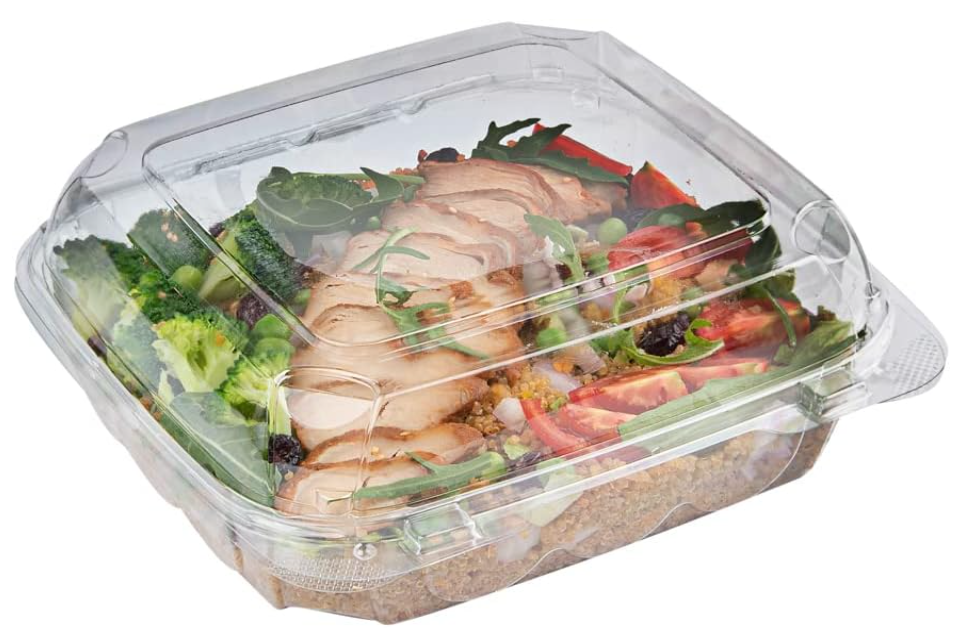
Barrier Function in Action: Oxygen and Moisture Transmission Control
Benchmark Oxygen Transmission Rate (OTR) for PET Clamshells and Comparison with Other Materials
When it comes to clamshell packaging, Propylene Terephthalate (PET) has a competitive edge with oxygen permeation measured at 5 to 10 cc per square meter per day. This is a drastic improvement when compared to most packaging materials. For example, standard polypropylene containers have permeation rates of 50 to 150 cc/m²/day, and polystyrene products have an even higher permeation rate of 200 to 400 cc/m²/day. Due to this low oxygen permeability, there is less damage done to desiccated food in the packaging. Fruits such as berries will not brown as quickly, and vegetables such as leafy greens will not lose as much nutrient content, for example, significantly less Vitamin C will not be lost over time. So, what is it about PET that makes such a significant improvement? The answer is found in it's crystalline structure. This structure creates tiny openings in the barrier so that the oxygen molecules have a more difficult time getting through the barrier. This results in food that is more flavorful and nutritious, remaining fresh for a longer period of time. This makes PET an optimal choice for less stable food products that require more protection.
Moisture Vapor Transmission Rate (MVTR) and Its Role in Managing Produce Respiration and Condensation
The MVTR ranges for PET are around 1 - 2 g/m2/day, and, in this case, it helps manage clamshell package humidity. Fruits, as they respire, produce 20 - 50 mg of water vapor per kg of fruit per hour. If humidity levels are not managed, produce will spoil and experience undesirable changes. PET is great because it is water resistant, and helps minimize shriveling and weight loss. Containers with cherry tomatoes and grapes, for example, will not become soggy and squishy.
Using PET Clamshells for Longer Real-World Shelf Life
Confirmed Case Study: USDA-FDA Research Study with +4-7 Days Longer Shelf Life for Strawberries
A recent collaborative study from USDA and FDA reveals strawberries packaged in PET clamshells can stay on the shelf four to seven days longer than conventional packaging. Researchers noted the dual function `PET` clamshells provided. With an Oxygen Transmission Rate (OTR) of < 0.5 cc/m²/day, the rate of oxidation, and the concomitant occurrence of unsightly brown spots, was reduced. At the same time, Micro moisture vapor transmission is controlled, leading to the presence of the optimal humidity level and moisture within the package. This control led to an approximate 60% reduction in the rate of microbial growth, extending the shelf-life of the produce. These findings contribute substantially to the mitigation of the enormous food waste issue. USDA Agricultural Research Service 2023 found that fresh berries, a $6.2b crop in the US, have an estimated 30% annual loss due to inadequate, or poorly designed, packaging. Retailers also noted that strawberries packaged in PET, retained 15% more vitamin C after 10 days of storage, providing a health benefit. This demonstrates the packaging retains nutritional value and demonstrates that barriers to packaging are not just numerical figures - but real nutritional value. In the case of strawberries PET does more with less.
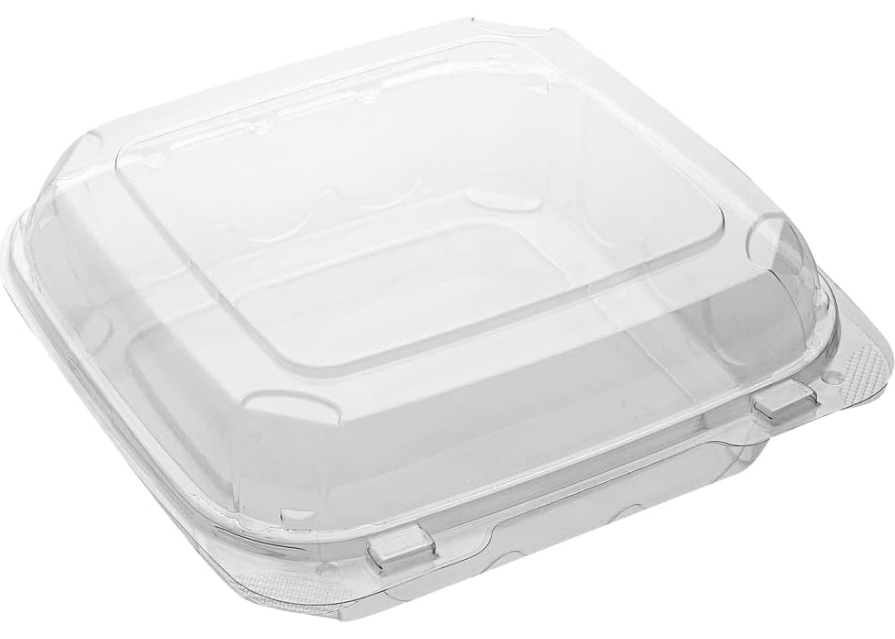
Design Integration: Ventilation, Seal Integrity, and Humidity Management in PET Clamshell Packaging
Good seals, ventilation, and humidity control must be viewed and engineered as an intricate, seamless system rather than separate systems when designing PET clam shell packages. The small holes we laser cut in various places serve as micro vents that allow just the right amount of air to circulate to ethylene producer products to lower the likelihood of condensation forming. The snap closures we design are governed by a silicone tooling process that creates closure systems that literally snap shut to form a triple barrier against the entry of contaminating dirt, the exit of generated gas, and the escape of premature moisture loss. The defining characteristic of PET packaging in produce is it’s engineered to moisture vapor transmission rate, which equally stabilizes the equilibrium moisture content of the product. It is designed to elevate the “just right” dry wet, annoying mold grow, moisture and end rot conditions. Controlled micro climate conditions slow the respiration rate of the produce. The packaging delays when the spores of mold begin to grow and preserves that awful unattractive shriveled texture loss of strawberries. It is a perfect example of packaging that actually extends shelf life.
FAQs
What is PET and why is it used for packaging?
PET is a type of plastic called polyethylene terephthalate. It is very dense and has a noticeable semi-crystalline structure. This makes it a fantastic barrier against gas and moisture. Thus, it is excellent for packaging purposes, as it keeps products fresh and protects visibility.
What are the barrier properties of recycled PET (rPET) compared to new PET?
For new PET, rPET has comparable barrier protection and any deficiencies lie strictly in the moisture and oxygen transmission rates of rPET, which are generally 5% or less. With recycling, barrier protection is usually diminished. This is less of an issue in today's recycling technologies.
How do PET clamshells help produce stay fresh longer?
PET clamshells have a low transmission rate for both oxygen and moisture. This helps control humidity and slows the rate of oxidation, which helps produce stay fresh longer. The USDA-FDA conducted a study, which concluded that strawberries that were packaged in PET clamshells stayed fresh for 4 to 7 days longer than strawberries that were packaged in standard packaging.