 ×
×
Reducing waste disposal is made easier by a biodegradable food container – a food container that is meant to decompose in nature. XXH Packing claims to manufacture biodegradable food containers made from high-quality materials – corn starch, sugarcane, fiber, and even wheat straw. These substances are broken down within a 3-6 month time frame by soil and compost microorganisms, such as bacteria and fungi, into water and carbon dioxide. In contrast to conventional food containers that are made from plastic and take hundreds of years to decompose, biodegradable food containers decompose with no waste byproducts. Take, for instance, a biodegradable food container that is meant for takeout. Within four months, it can be placed in a compost bin and transformed into soil that is teeming with nutrients for plants. This type of waste also does not require long-term disposal, which alleviates the burden placed on landfills.
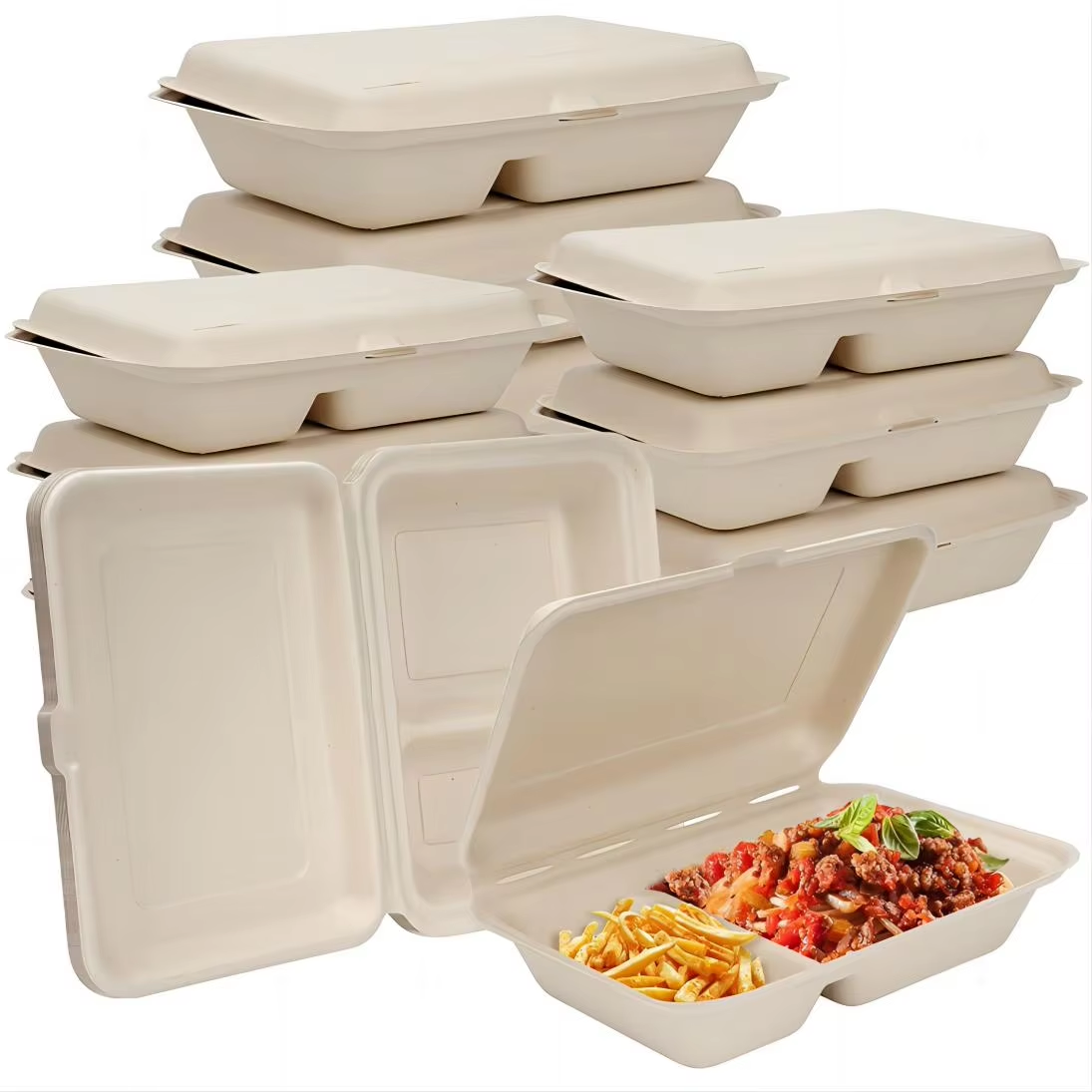
Biodegradable food containers substitute single use plastic containers, and, in turn, decreases the generation and disposal of plastic waste.
XXH Packing noted that single-use plastic food containers are one of the biggest sources of plastic waste in the world. Billions of them are thrown away every single year, with most ending up in the ocean or in landfills. The use of biodegradable food containers instead of plastic ones by businesses and consumers can help mitigate the plastic waste problem at its source. For example, a restaurant that serves salads in plastic containers and switches to biodegradable food containers can reduce its plastic waste by over 5000 containers per year. The net environmental cost of biodegradable food containers is also lower, as less energy is needed to produce it compared to plastic containers. XXH Packing believes that the urgent and wide scale adoption of biodegradable food containers is crucial in solving the global plastic waste problem because it stops the cycle of plastic production and perpetual waste.
Most biodegradable food containers are compliant with a variety of composting systems, which is a method of organics diversion from landfills that helps to lower the total volume of waste. XXH Packing states that certified compostable food containers such as those satisfying the ASTM D6400 can be composted with food waste, thus transforming 2 different types of waste into a productive end of life.
People can throw a communal composting biodegradable food container into a community composting bin with the food still in it. Both food and container decompose together as opposed to being separated into a designated waste container (landfill plastics, compost food). E. this allows more composts to be made, and reduces the waste sent to landfills. More Biodegradable food containers facilitate diversion to the landfills rest of the containers take plastic that is too contaminated to be recycled. Biodegradable and compostable food containers can be viewed as complimentary as they work in conjunction with waste diversion systems to enhance the diversion of biodegradables to the bin.
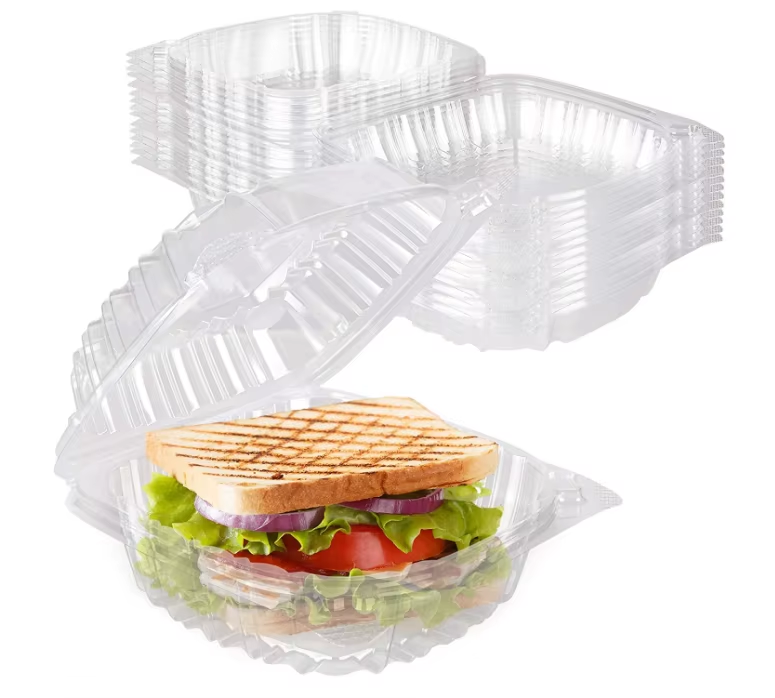
XXH Packing also argues that the old biodegradable food container designs were flimsy. Biodegradable plastic food containers that can be used to hold, stack, and refill with food and other containers. Insulate soup containers can hold hot liquid and food. With the durable design, they can hold the liquids without leaking, serving as lids for other containers.
The container is part of a circular economy which is aimed at closing the loops of product life cycles through greater resource productivity and, in a positive benefit, regenerative capacity. In comparison to the non-renewable fossil resources from which plastic is derived, the polylactic acid or PLA of which XXH Packing’s biodegradable food container is made, is derived from renewable resources able to be regrown and harvested over and over again. Such biodegradable food containers enrich the soil, replacing the polylactic acid removed by the container. This serves the purpose to demonstrate the principle of sustainable development in practice. The circular and regenerative system is free from the linear take-make-dispose economy. Instead, it eliminates the need to extract new raw materials, replaces the plastic waste, and reduces the waste caused by its life cycle.
Implemented within the models of a circular economy, a single use biodegradable food container remains a sustainable solution that mitigates waste not a single time, but continuously throughout its entire life cycle.
 Hot News
2025-10-31
2025-10-28
2025-10-27
2025-10-25
2025-10-24
2025-10-23
Xiamen Xiexinhong Plastic Co.,Ltd provides custom disposable plastic & biodegradable packaging worldwide. ISO-certified OEM/ODM services with 2D/3D design, NDA protection, and quality assurance from raw material to delivery.
Copyright © 2025 by Xiamen Xiexinhong Plastic Co.,Ltd. Privacy Policy

 EN
EN