
 EN
EN



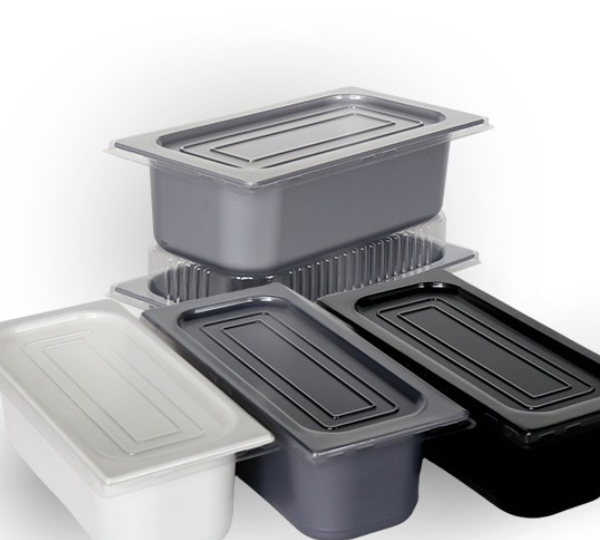
Reasons for Implementing Custom Blister Trays in the Food Industry.
Custom blister trays for food brands solve the top three industry issues: product protection, distinct shelf appearance, and sustainability. Custom trays reduce shipping damage of baked goods or berries by 30¨ compared to standard shipping trays. Each shipping tray is designed to hold items in a designated spot. Further, brands create a unique consumer experience with a different tray shape and brand embossed design. 76% of purchase decisions are made at the shelf (McKinsey 2024). Thermoformed trays are designed to enclose food items in a set space in the tray. Material selection ensures branding with the use of the materials the brand prefers to be a part of the circular economy. 68% of consumers actively select a brand that uses a recyclable material. (Bird 2024).
Trays also help reduce the amount of materials (flattened trays) and shipping costs as much as 22% (FDA). This is especially relevant to the premium perishables due to the increased risk of losing brand trust and integrity. This balance is especially important for the premium perishables.
Globally custom blister trays are adaptable to new, more sustainability focused legislation. Custom blister trays will be designed to new compliance requirements. The growing consumer demand for eco-friendly packaging can be met with custom blister trays.
The Custom Process for Blister Tray Construction: Designing, Then Testing
Concerns for Product Fit: 3D Measurements and Scanning
The 2024 Food Packaging Safety Report reports that over 1/3 of product damages are attributed to the tray-producing technique of measuring with the use of a scanner, instead of the industry standard of designing with manual measurement. With the assistance of a 3D scanner, food manufacturers are able to assemble a digital representation of their product in a matter of minutes, in the same way that transport companies bankrupt artisan meringues, and sports cakes. Since the non-contact technique provides an accurate representation of the product's geometry, the manufacturer is almost able to guarantee the product will be undamaged during transport. This ensures all products will be placed in a cavity deep enough to reduce the chance of the product tumbling in transit while also leaning to some degree during transport.
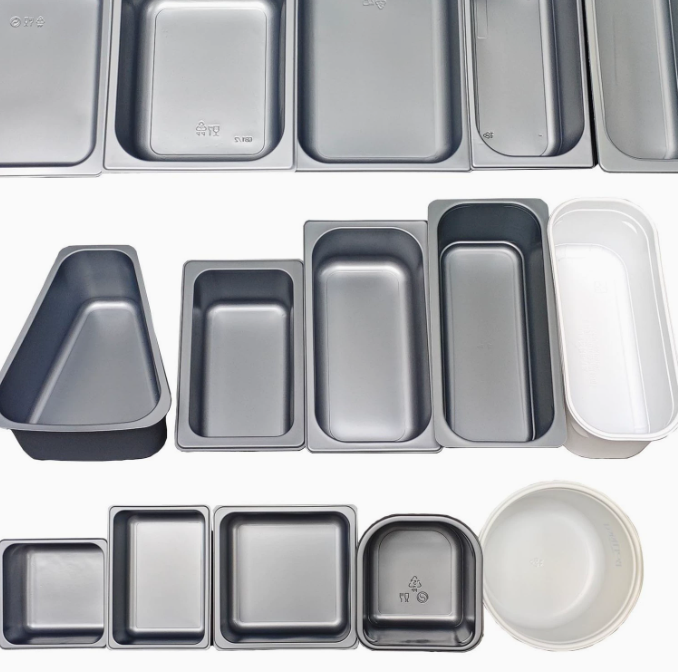
Mold Design and Thermoforming Simulation
The properties attributed to the material alter the outcome of the phyical tools caused by the high heat used. Engineers systematically alter the design of the mold to target the thinning's and stress points.
Testing (Seal Integrity, Drop Resistance) for Regulatory Approval
Supply Chain cases seal 1 and 2. This seal, which is a thin film covering the sheet, passes 1 and 2 without major issues. 1 and 2, respectively, supply a pressure decay test, which is then set at 1 and 2. For each seal, a major issue was observed, with the film supply breaking the seal in order to place the seal in a distal position. 1 and 2 of the supply cases barrier the distance of the seal. Sell by dates also do not alter the seal, not even one per carton. 1 of the major issues was observed to isolate the seal further to a position distal to the carton itself.
Custom Blister Trays’ Food Safe Materials: PET, rPET & Other Sustainable Options
Legal Requirements for Materials Used in Food Contact Packaging
The PET blister trays regulate and ensure there is no chemical migration, meaning the trays can keep food fresh and use visual freshness cues for more than a 90 percent light transmission. PET blister trays are optically clear and pose no threat of cloudiness and/or degradation of product fresh perception and shelf appeal throughout the life of the product and the readiness for the packaging for sterilization PET blister trays also meet the European Union, FDA, and LFGB (Germany's food contact law) chemical migration standards for safe, direct food contact with food for blister trays while perilous to consumer’s trust and lack of food migration.
The Current State of rPET and Trade Offs of Custom Blister Tray Applications
The blister tray market is being targeted for more than 20% growth. The growth is aided and likely led by Packaging Insights, in 2024, as firms pursue more sustainable packaging. The disruptions appear to be aided by more than 30% carbon reductions in the use of a recycled material versus a virgin material. The growth is also demanding more than 8% haze in the rPET. The modern technology is on the side of rPET with more than 3% haze. The place in the market is for non-premium purposes as the slight opacity is not undermining the brand. The balance for better environment and the drop performance and pack integrity are more than the seal integrity will be tested. Additionally, the trade offs will be validated.
How Food Brands and Manufacturers Work Together for Custom Blister Tray Projects
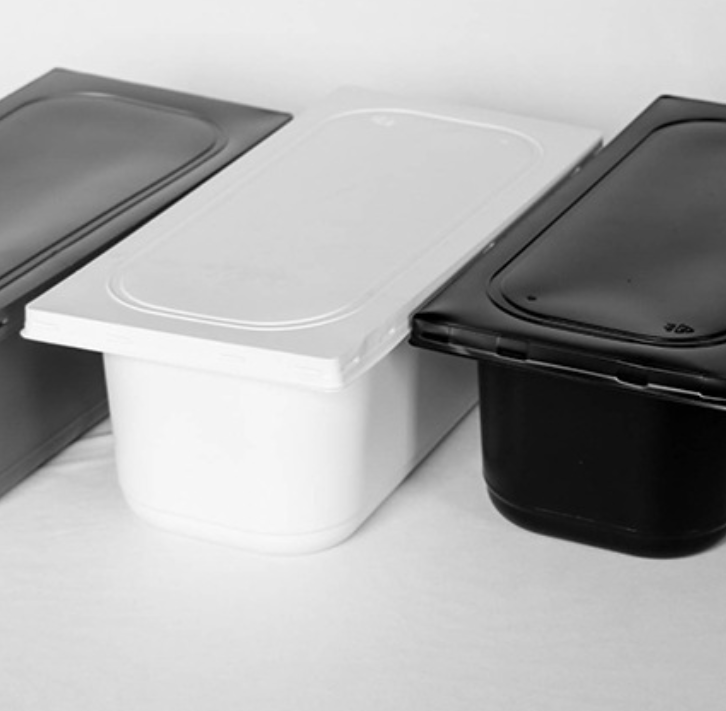
When it comes to custom tray design, collaboration between food brands and packaging manufacturers is key. Brand teams set the goals. Manufacturers turn those goals into engineered solutions. In the design process, continual collaboration and feedback allow for iterative design and quick testing. The design partnership creates a packaging system that provides functional reliability and a positive experience for the customer at the same time.
Frequently Asked Questions
What is a custom blister tray?
A custom blister tray is a retail food packaging system that protects food from damage and improves a brand's shelf display.
How do custom blister trays prevent product damage?
Custom blister trays enhance protection by engineering cavities that keep the product secure and stable during transport.
What are blister food trays made of?
Food-safe blister trays are made of the food-safe materials, PET and rPET, which pass FDA and EU regulations.
Why do food brands need manufacturers to make custom blister trays?
Food brands need manufacturers to make custom blister trays to design and ensure protective packaging materials that meet product regulations and brand shelf display goals.